If there’s one thing we've learned, it’s that the good Lord put some mighty fine helpers out there if you’re smart enough to make room for them. One of our favorites? The purple martin. These birds aren’t just pretty to watch—they’re worth their weight in fly spray when it comes to keeping the ranch running smoother.
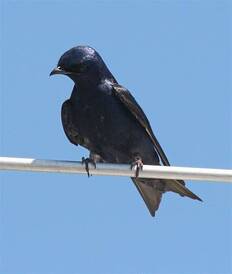
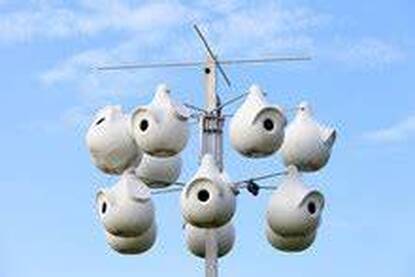
Purple martins are North America’s largest swallow, with that striking dark purple-blue sheen that catches the light just right as they dart across the sky. They’re long-distance travelers, migrating all the way from their winter homes in South America—places like the Amazon basin—up to our fields and farms every spring. The journey can top 7,000 miles round trip. They start showing up in late March or early April around here, and they’ll head back south in late summer after raising their young. Watching those big flocks gather before migration is something special. What makes them a cattleman’s best friend is their appetite. These birds are pure aerial insectivores—they catch and eat bugs right on the wing. Their diet includes beetles, moths, dragonflies, flies, wasps, and plenty of other pests that bother livestock. While they won’t wipe out every mosquito (that old tale is mostly myth), they do a tremendous job on the flying insects that make cattle miserable and spread disease. On a ranch with open pastures, ponds, and fields, they’ve got all the foraging space they need, often traveling a mile or two from their nests. Habitat-wise, purple martins love open country near water—just like the country we graze. In the eastern parts of the country especially, they’ve become almost completely dependent on us humans for nesting spots. They’re cavity nesters by nature, but they’ve adapted beautifully to the gourds and multi-compartment houses folks put up. Back in the day, Native Americans hung hollow gourds for them, and the tradition continues because it works. Put up a proper martin house in an open spot, away from too many trees, and you might just draw a whole colony that comes back year after year. The relationship is a true win-win. We give them safe places to raise their families, and they repay us with natural pest control that doesn’t cost a dime in chemicals. I’ve seen fewer flies around the cattle since we started hosting martins. They’re entertaining too—those acrobatic flights at dusk are better than any show on TV. If you’re a fellow cattleman, consider becoming a “purple martin landlord.” It’s one of the simplest ways to support wildlife while making your own operation a little better. The birds do the heavy lifting; we just provide the address. Tight lines and green pastures to you all, Rob — A grateful cattleman who lets the birds do some of the work
0 Comments
|
Archives |
 RSS Feed